Beyond the main road
When an international destination trends on social media, visitors invariably collect at the same three scenic overlooks. In Norway, escaping the throng does not require wilderness survival skills—merely the willingness to turn off the E6 or ferry past the famous archipelagos toward quieter headlands.
The Geography of Quietness
Norway encompasses roughly 1,750 miles of coastline, counting mainland bays and fjords. Yet over 80% of summer overseas visitors congregate within four tight zones: the Flåm rail basin, the Geiranger fjord canyon, Preikestolen above Lysefjorden, and the western tip of the Lofoten islands.
By stepping outside these zones, the character of your trip transforms. You will not wait forty minutes behind camper vans on single-lane roads. In coastal harbors, fishing vessels remain working commercial craft rather than souvenir boutiques. Most importantly, you interact with locals who have the time and inclination for unhurried conversation.
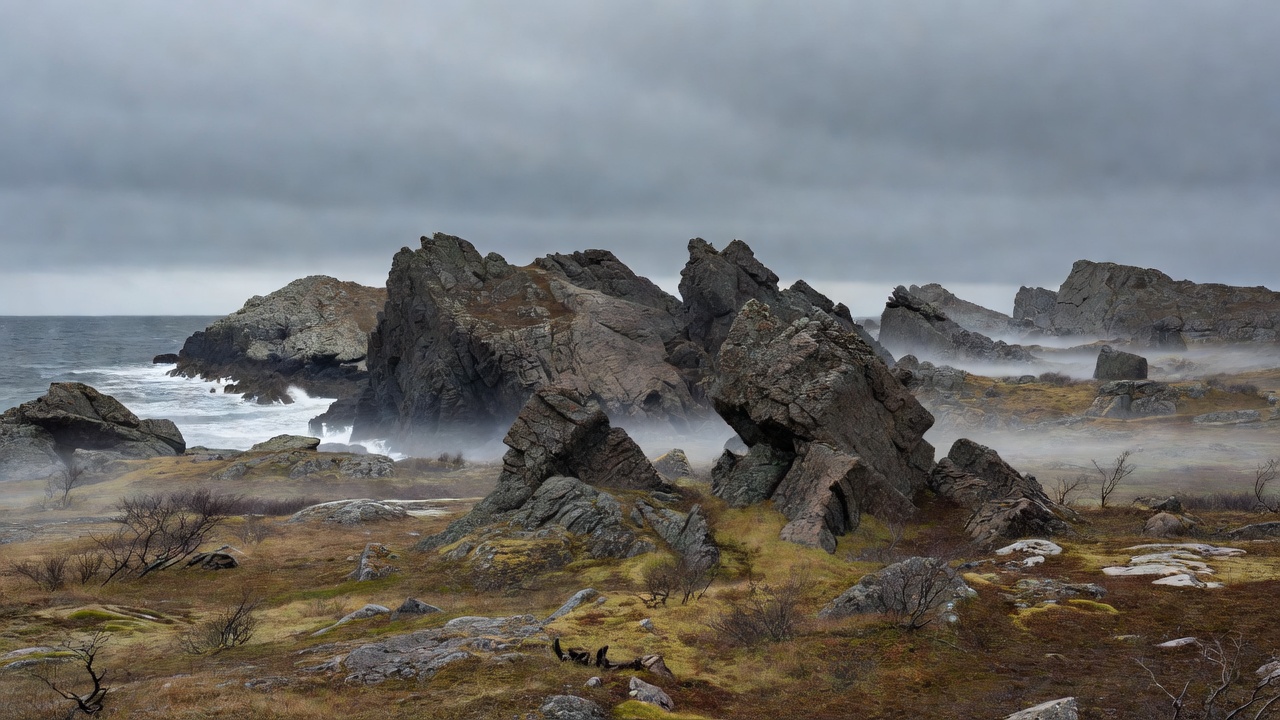
1. The Outer Coast of Senja
Often nicknamed "Norway in miniature," Senja contains both gentle pine-bordered southern shores and the savage, vertical tooth-ridges of the northwest coast. Locations like Bergsbotn provide suspended timber platforms over glassy sea fjords, while the tiny village of Mefjordvær offers direct trailheads climbing straight onto exposed alpine benches.
Unlike southern Lofoten, where road camping and overnight parking are strictly regulated due to overuse, Senja retains a spacious, open atmosphere. Drivers who board the summer car ferry between Andenes (on Andøya) and Gryllefjord connect a spectacular oceanic loop without ever backtracking onto the mainland arterial highway.
2. Vega: The Archipelago of Down and Stone
Located just south of the Arctic Circle off the Helgeland coast, the Vega Archipelago consists of over 6,500 islands, cays, and skerries. A UNESCO World Heritage site, Vega represents a thousand-year-old pact between islanders and wild eider ducks. Fishermen built tiny sheltered nesting huts (e-hus) from driftwood; in exchange for springtime guarding against gulls and mink, they harvested the down left behind when ducklings hatched.
Exploring Vega by bicycle or rented sea kayak reveals shallow turquoise channels, low granite domes, and quiet farm roads lined with wild meadow flowers. Accommodation here takes the form of renovated fish storehouses (brygger) right at the water’s edge.
3. Varanger: At the Edge of the Barents Sea
At Norway’s northeastern tip lies Varanger—a landscape vastly different from the iconic western fjords. Here, the North Atlantic meets the Arctic Barents Sea across a moon-like plateau of exposed stone, wind-stunted dwarf birch, and ancient Sámi sacred stones (sieidi).
The National Scenic Route across Varanger leads to the historic village of Vardø and the dramatic Steilneset Memorial, commemorating the 17th-century witch trials with architecture by Peter Zumthor and artwork by Louise Bourgeois. Further north, the road ends at Hamningberg—an abandoned timber fishing outpost preserved through sheer isolation. In winter and spring, birdwatchers from around the globe gather to spot Steller's eiders and king eiders resting in sheltered Arctic sounds.
4. Inner Valleys: Rondane and the Dovrefjell
While coastal fjords receive the lion's share of international praise, Norway’s interior massif holds ancient quiet. Rondane National Park, established as the nation's first in 1962, offers rounded, lichen-grey peaks rising above heather moorlands. These high alpine plateaus are home to the last remaining wild reindeer herds in Europe.
Neighboring Dovrefjell protects solitary herds of musk oxen, re-introduced from Greenland in the mid-20th century. Hiking along these broad, expansive mountain spaces gives an invigorating sense of emptiness, miles away from the cruise ships that crowd the narrow fjord corridors.
Comparative Overview: Quiet Regions vs Tourist Corridors
| Region | Dominant Character | Best Season | Logistical Complexity |
|---|---|---|---|
| Senja (Troms) | Serrated ocean ridges, quiet fjords | June to September & February | Moderate; requires ferry or Tromsø drive |
| Vega Archipelago | Low tidal skerries, eider traditions | Late May to late August | Higher; express boat from Sandnessjøen |
| Varanger Peninsula | Arctic tundra, stark cliffs, birding | March to April (birds) / July to August | High; flight to Kirkenes or long drive |
| Rondane & Dovre | Ancient plateaus, wild reindeer, musk ox | July to September | Low; direct rail link via Dovrebanen train |